Gardening is an enriching hobby that not only beautifies your environment but also brings numerous therapeutic benefits. Whether you have a small balcony or a large backyard, anyone can start their gardening endeavor with a bit of planning and enthusiasm. The following sections will guide you through all necessary steps, ensuring your gardening adventure is both productive and enjoyable.
What are the Essential Tools for Gardening?
The first step in starting your garden is equipping yourself with the right tools. While the range of gardening equipment on the market is vast, beginners need only focus on a select few. Essential tools include a spade, hand trowel, gardening fork, and a watering can.
These tools are fundamental for digging, planting, weeding, and watering your garden. High-quality tools not only make the work easier but also last longer, offering better value over time.
Investing in durable tools made from stainless steel or carbon steel ensures they withstand the outdoor elements. Comfortable, cushioned grips on handles improve usability, especially during long gardening sessions. While electric tools like lawnmowers and hedge trimmers are beneficial for larger gardens, they are not necessary for a modest setup. Remember, keeping your tools clean and adequately stored extends their lifespan. Maintenance is simple; rinse after use, dry thoroughly, and sharpen blades as needed.
Additionally, personal safety gear is important. Gloves protect hands from thorns and insect bites, while kneeling pads provide comfort when working at ground level. A wide-brimmed hat and sunscreen help shield you from harmful UV rays when spending extended periods in the sun. Beginners should also consider utilizing reference books or accessing online resources to better understand tool usage. A well-prepared gardener is more likely to enjoy success and growth in their gardening journey.
How to Choose the Right Plants for Your Garden?
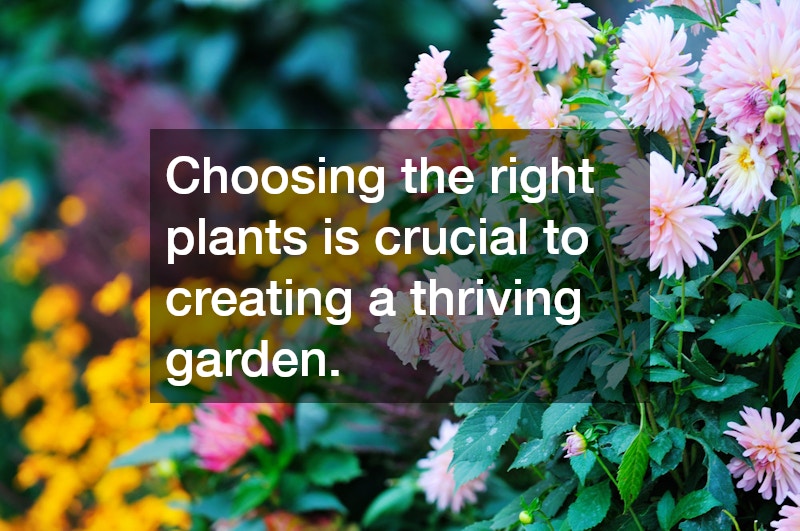
Choosing the right plants is crucial to creating a thriving garden. Start by considering your environment, such as climate, light levels, and soil type. Some plants thrive in full sun, while others prefer shaded areas. Native plants are often a good choice for beginners, as they are adapted to local conditions and require less maintenance. For instance, succulent varieties are excellent for dry, arid areas due to their water retention capabilities.
It’s also important to consider the purpose of your garden. Are you interested in growing vegetables, herbs, or ornamental plants? Edible gardens can offer dual benefits of aesthetics and fresh produce. On the other hand, ornamental gardens can enhance the visual appeal of your property. Understanding the growth cycles and maintenance needs of your chosen plants is essential for ongoing success.
Another aspect to consider is the compatibility of plants with each other. Companion planting can improve growth by naturally deterring pests and improving nutrient uptake. Research shows that certain combinations, like tomatoes with basil, can be beneficial. Planning your garden layout accordingly can optimize space and improve plant health. With time and experience, you will become more confident in selecting the perfect plants to suit your needs.
What are the Basics of Soil Preparation?
Soil preparation is foundational to any successful gardening project. Start by testing your soil to understand its composition, pH level, and nutrient content. Many local garden centers offer testing kits, or you can send samples to a laboratory for a detailed analysis. Such insights enable you to amend your soil with the necessary organic matter or nutrients. Proper amendment improves drainage, aeration, and fertility, which are crucial for plant health.
Incorporate organic materials like compost, leaf mold, or well-rotted manure to enrich the soil. These amendments supply essential nutrients and improve soil structure, benefitting root development. It’s also wise to clear any weeds or debris from your garden area to reduce competition for resources. Taking time to till the soil and mix in amendments ensures optimal conditions before planting. Proper soil preparation leads to stronger plant growth and better yields.
Regular soil maintenance is key to long-term garden health. Monitor your soil’s moisture and nutrient levels, adjusting as necessary through seasonal changes. Some gardeners practice crop rotation or introduce cover crops to maintain soil balance.
How to Water Your Garden Effectively?
Watering is an essential component of gardening that requires careful attention to detail. The amount and frequency of watering depend on various factors such as plant type, climate, and season. Over-watering or under-watering can lead to plant stress, reducing growth and yield. An effective strategy is to water deeply but less frequently, encouraging roots to develop depth and strength. Early morning or late afternoon are ideal times for watering as cooler temperatures reduce evaporation.
Drip irrigation systems or soaker hoses are excellent tools for efficient water delivery. These systems minimize waste by targeting the root zones directly. Alternatively, hand watering with a can or hose allows for more control, especially in small gardens. Observing your plants regularly helps you identify any signs of water stress, such as wilting or yellowing leaves. Adjusting your watering routine accordingly maximizes plant health and reduces resource wastage.
It’s important to be mindful of local water restrictions and sustainable practices. Rainwater collection and use is a sustainable approach that conserves water supplies while benefiting your garden. Aeration and mulching also aid in maintaining soil moisture levels, decreasing the need for frequent watering. By adopting smart watering techniques, you can maintain a thriving garden and contribute to environmental conservation. As your experience grows, managing water effectively will become second nature.
With the right tools, plant choices, soil preparation, watering strategies, and pest control methods, you are well-equipped to start your gardening adventure. Remember that patience and observation are key, and don’t hesitate to seek further resources as you grow your gardening knowledge. Gardening is a dynamic and rewarding pursuit, constantly offering new challenges and learning opportunities. The investment you make in time and effort will be returned through the beauty and bounty your garden provides. Embrace each stage of your gardening journey and celebrate the joys of growth and discovery.