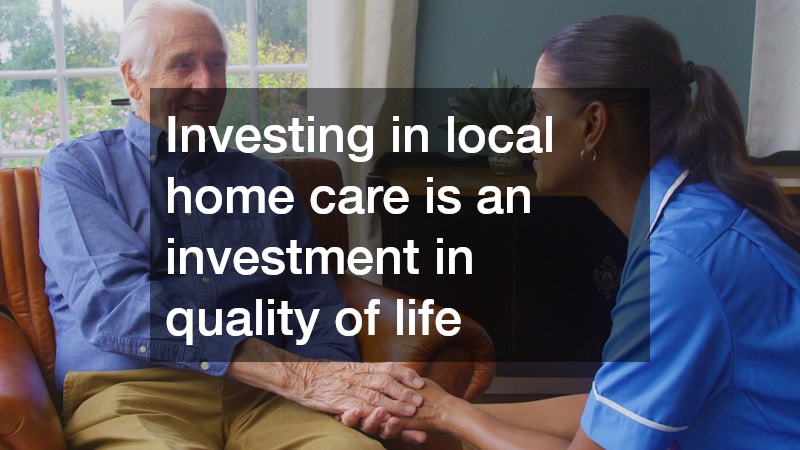
As populations age and healthcare systems face increasing demands, the concept of local home care has become more than just a convenience—it is now a vital component of modern healthcare. Families are seeking ways to provide compassionate, personalized care to their loved ones without compromising their independence or quality of life.
Home care services offer an effective solution, bridging the gap between professional healthcare and day-to-day living. By focusing on individualized support within the comfort of one’s home, these services are transforming the way we approach eldercare, chronic illness management, and post-hospital recovery.
Personalized Attention and Tailored Support
One of the most significant advantages of local home care is the ability to provide personalized attention. Unlike institutional settings, home care professionals can adapt their services to meet the specific needs of each individual. Whether it’s assisting with daily activities such as bathing and meal preparation or offering specialized medical support, local care ensures that clients receive exactly the help they require.
Tailored care plans not only improve physical health but also promote mental and emotional well-being. Familiar surroundings, a consistent caregiver, and routines that respect personal preferences can significantly reduce anxiety, depression, and feelings of isolation. In-home care encourages social interaction and engagement through community visits or companionship, which strengthens emotional resilience. Moreover, the flexibility of in-home care allows adjustments as needs change over time, ensuring that support remains relevant and effective.
Reducing Strain on Healthcare Systems
Local home care is also becoming increasingly important from a systemic perspective. Hospitals and long-term care facilities often operate under significant strain, with limited capacity and high costs. By providing in-home services, home care reduces unnecessary hospital admissions and readmissions. Patients recovering from surgery or illness can continue their rehabilitation safely at home, with professional oversight to monitor their progress. Over time, this reduces the financial burden on healthcare institutions and insurers while allowing staff to focus on critical cases. The ability of local care to provide preventative care also contributes to longer-term population health improvements, lessening the overall demand on hospitals and clinics.
Moreover, in-home care can help manage chronic diseases effectively. Regular monitoring and timely intervention by trained caregivers prevent complications, thereby lowering the need for emergency care. Local home care supports lifestyle adjustments, medication adherence, and early detection of health issues, which are key factors in chronic disease management. As a result, patients experience fewer setbacks and enjoy improved long-term health outcomes. This proactive approach not only benefits patients but also alleviates pressure on healthcare systems, allowing resources to be allocated more efficiently.
Supporting Families and Caregivers
Another critical aspect of in-home care is the support it provides to families. Caring for a loved one can be emotionally and physically demanding, especially for those balancing work and other responsibilities. Home care services give family members peace of mind, knowing that their loved one is receiving professional assistance around the clock or as needed. The reassurance of local home care enables families to maintain their own health and well-being without neglecting caregiving responsibilities. It also provides opportunities for families to spend quality time together, focusing on meaningful interactions rather than routine chores.
In addition, local care often includes guidance and training for family caregivers. Learning how to assist with medical tasks, manage medications, or recognize early warning signs of complications empowers families to provide better care. Caregivers are supported through education, counseling, and access to resources, which reduces stress and fosters confidence.
Embracing Technology in Home Care
The rise of technology has further enhanced the impact of home care. Remote monitoring devices, telehealth consultations, and digital health apps allow caregivers to track vital signs, medication schedules, and overall well-being more efficiently. Patients can remain connected to healthcare professionals without the stress of frequent clinic visits. Technology also allows real-time alerts in case of emergencies, giving both families and medical staff peace of mind. The integration of wearable devices and smart home systems creates an environment where safety and convenience are prioritized simultaneously.
The growing importance of home care reflects a broader shift in how society views healthcare and aging. By offering personalized support, reducing the strain on hospitals, and assisting families, these services provide a holistic approach to care that prioritizes the individual’s well-being. As technology continues to advance, home care is likely to become even more efficient, connected, and essential. Communities that embrace these services foster a culture where aging, illness, or recovery does not mean losing independence or comfort.
Ultimately, investing in local home care is an investment in quality of life—for seniors, individuals with chronic conditions, and their families alike. It empowers people to live safely and comfortably in their own homes, while ensuring that professional, compassionate care is always within reach. As more people recognize the value of home-based care, local home care will continue to shape the future of healthcare, setting a standard for empathy, accessibility, and excellence. The shift toward home care also encourages policymakers and healthcare providers to focus on patient-centered solutions, reinforcing the long-term benefits of this essential service.