Senior living facilities have evolved significantly over the years, offering a wide range of options to cater to diverse needs and preferences. The decision to move a loved one or oneself into a senior living facility is monumental, combining emotional, financial, and pragmatic considerations. With the aging American population on the rise, understanding the various types of facilities is more crucial than ever.
This encompasses independent living, assisted living, skilled nursing, and memory care units, each offering unique benefits and services. Identifying the right option requires a thorough assessment of current and anticipated needs.
Independent living is ideal for seniors who are relatively self-sufficient but seek community and a maintenance-free lifestyle. These facilities often provide a variety of amenities, such as dining services, transportation, and social activities. Assisted living, on the other hand, is designed for those who require help with daily activities like bathing, dressing, or medication management. This support offers peace of mind for both residents and their families. Understanding these options can significantly impact the quality of life for seniors.
The terms of care and types of services vary widely between facilities, making it essential to visit and evaluate several options. Personal experiences and professional reviews often provide insights that brochures and websites do not. Facilities are increasingly offering customized care plans, which can cater to individual health care and lifestyle needs. As lifespan increases, anticipating needs for advanced care becomes critically important. Ensuring that a facility can accommodate these changes over time without requiring a disruptive relocation is a key consideration.
Weighing the Emotional and Social Factors
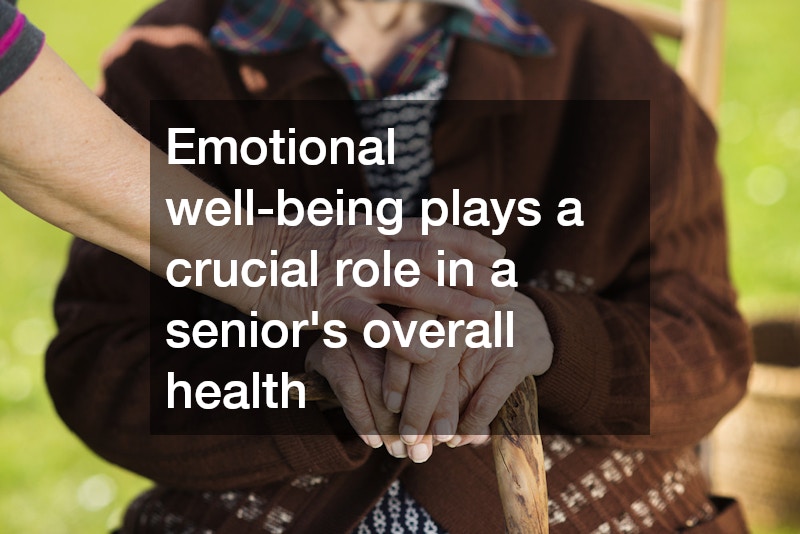
Emotional well-being plays a crucial role in a senior’s overall health, making the social environment a significant factor when choosing a facility. A sense of community can prevent feelings of isolation and loneliness, which are common issues among the elderly. Engaging activities and opportunities for social interaction should be integral to the facility’s offerings. Visits can provide insight into the atmosphere and community vibe, essential in ensuring the comfort and happiness of residents. It’s important to assess whether the facility fosters a nurturing and inclusive social environment.
Strong relationships with staff can greatly affect a senior’s experience in a living facility. Staff who are genuinely caring and attentive can create a supportive environment that promotes emotional and physical well-being. Observing staff interactions with residents during a visit can offer valuable insights into the facility’s culture. Compassionate staff can significantly improve daily experiences and outcomes for seniors. Ultimately, these relationships can also facilitate better communication with family members concerning care needs and preferences.
The proximity to family and friends can ease the transition to a senior living facility. Being close to loved ones ensures frequent visits and continued relationships, which are vital for emotional health. Many families prefer facilities that allow easy access for visits, reinforcing family support. Balancing the desire for a high-quality facility with proximity to home is a common challenge. Location should blend convenience for family interaction with a setting that meets the specific lifestyle needs of the resident.
Financial Considerations and Planning
Financial considerations are at the forefront of choosing between senior living facilities. Pricing models and what they include can vary significantly, from all-inclusive plans to a la carte service options. It is crucial to comprehend the full cost of living and any additional expenses that may arise. Budget planning and understanding long-term financial implications can prevent unexpected financial strain. Engaging with financial advisors or planners can be helpful to align financial capabilities with care priorities.
Many families also consider the resources available for funding senior living, such as savings, retirement funds, and possible aid from Medicaid or other government assistance programs. It’s essential to explore options and understand eligibility well in advance. Some facilities offer financing options or assistance programs to ease the burden. This consideration ensures that quality care is financially viable and sustainable over time. Families need to carefully analyze all available resources and options to make informed decisions.
Furthermore, contracts and agreements should be carefully reviewed, preferably with legal assistance if necessary, to understand the terms and conditions fully. Sometimes hidden fees can escalate the costs unexpectedly, impacting financial planning. A transparent discussion with facility management can clarify pricing models and ensure no surprises. Many facilities are open to negotiating terms, especially in competitive markets. Thorough understanding and planning for costs can lead to better satisfaction and financial security.
Preparing for Future Health Needs
As individuals age, health needs inevitably evolve, making future health-care provisions a pivotal consideration. Facilities that offer a continuum of care can be exceedingly beneficial. These facilities are equipped to handle increasing care needs, preventing the stress of relocation. Planning for advanced care, such as memory support or nursing care, is important even if such needs are not immediately applicable. The ability to transition smoothly to higher levels of care can literally be life-saving.
Facilities that integrate health and wellness programs can proactively promote a senior’s well-being and mitigate health issues. Regular screenings, wellness initiatives, and fitness classes contribute to maintaining health and independence. Comprehensive health services on-site provide immediate access to care, improving health outcomes. Additionally, facilities with partnerships with local hospitals and specialists enhance the quality of medical attention available. Overall, proactive health management is a valuable factor in selecting a facility.
When evaluating options, consider the facility’s approach to health care, including emergency response capabilities and staff qualifications. Staff-to-resident ratios, licensing, and certifications ensure that the facility provides quality care. Facilities offering personalized care plans can adapt to the resident’s changing health over time. Such adaptability becomes essential as the prevalence of age-related conditions increases. Continuous care and an emphasis on health maintenance should be significant factors in the selection process.